Home

WELCOME TO TONKADALE GREENHOUSES


Tonkadale has served Minnetonka and surrounding communities with greenhouse plants since 1948.   In addition to our famous African violet and houseplant selection, we grow hundreds of varieties of annuals, perennials, roses and vegetable plants in the spring and summer.  At Tonkadale we grow and sell only the highest quality plants backed with the experience and friendly advice that ensures a rewarding and enjoyable gardening experience.


Tonkadale Greenhouses has a growing area of one acre under glass and plastic. In addition we grow outdoors on about ½ acre. We grow and sell garden plants, next priority is placed on providing extensive selection of both old favorite plants and the many new introductions. Our mission is to provide the customer with plant materials when they need them and of the quality that assures a successful garden. Necessary accessories are always available.


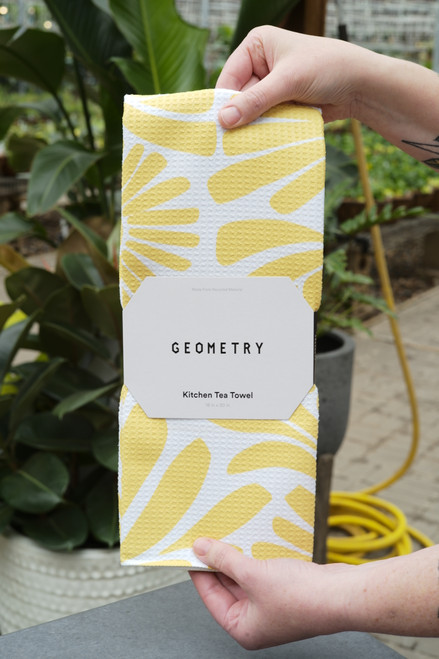
Visit our newly remodeled store for unique gifts and garden accents. New items arriving daily. Stop in soon for best selection!


INDOOR GARDENING SPOTLIGHT


Start your seeds indoors now!  Stop by Tonkadale Greenhouses to see our selection of seeds and seed starting items including:  Soils, fetilizers, pots, trays, heat mats and more!

Getting good germination  If your seeds don't germinate, it could be because the soil was too wet, too dry or too cool. Use a heat mat to keep germinating seedlings warm. Keep the seeds slightly moist but not wet at all times.

Preventing leggy seedlings  Tall, floppy seedlings are an indication that your plants aren't getting enough light. Move them to a brighter location if they start to get leggy. If you are using grow lights, lower them so the bulbs are just a few inches above the tops of your plants.

Avoiding "damping off"  Young seedlings that rot at the base and die are the victim of a soil-borne virus. This is called damping off and it can be minimized by using a sterile germinating mix and keeping your plants from getting too wet. It also helps to water in the morning so your seedlings have time to dry off before nightfall.


How To Plant Seeds

  1. Moisten germinating mix and scoop it into seed-starting flats or containers.

  2. Determine the planting depth of the seed from the instructions on the seed-starting packet.

  3. Insert large seeds into the soil with the finger-thumb method. Smaller seeds (such as petunias) are hard to sow in small numbers; mix the seeds with a little sand for bulk. Add a light layer of growing medium to cover the seeds.

  4. Water the flats using a fine spray. Gushes of water may unearth the seeds. Always use lukewarm water.

  5. Cover the flat with a clear plastic cover until the seeds germinate (this will help conserve moisture evaporation). It's vital that you keep the seeds moist or they will not germinate properly.